Commercial HVAC Installation Costs: Why Quotes Differ & What to Check Before Choosing
Commercial HVAC installation costs depend on the equipment specified, existing building services and the work required. This guide explains why installation quotes can differ, what should be included, how to identify exclusions and what to check when comparing contractors. It also covers the role of site surveys in establishing a realistic project budget and how businesses can request a tailored commercial HVAC installation quote from Bon Air.
See What Affects the Price, What Each Contractor Should Include and How to Compare Quotes Before Approving the Budget
You've received two quotations for a commercial HVAC installation, but there's a considerable difference in price.
Both contractors are quoting for the same building, so what's causing the difference?
It could be the equipment they've recommended, the installation work they've included or the assumptions they've made about existing services.
If you're responsible for getting the project approved, you need to establish whether both quotations cover the work required.
Does the price include any necessary electrical upgrades?
Has the contractor checked whether existing pipework can be reused?
And which additional costs might still need approval?
Commercial HVAC installation costs depend on the equipment, the condition of the building's existing systems and the work involved in completing the installation.
A lower quotation may represent good value, but only if it accounts for what your building actually needs.
Here's how to identify those differences, question what's included and choose a quotation you can justify before committing to the work.
See How Equipment Specifications, Existing Services and Installation Requirements Affect the Price
Two contractors may recommend different equipment or include different work, even when they're assessing the same building.
Several factors influence the price:
- System specification: The type, capacity and number of units depend on the building's layout and heating, cooling or ventilation requirements. A larger system isn't necessarily better if the additional capacity isn't needed.
- Existing infrastructure: Suitable electrical supplies, pipework, ductwork or controls may be reused. If they need upgrading or replacing, that adds to the installation work.
- Installation access: Restricted plant rooms, roof-mounted equipment or difficult access routes can require specialist equipment and additional labour.
- Controls and integration: Connecting new equipment to existing controls or a building management system may involve additional work.
- Working arrangements: Installation in an occupied building may need to be phased or scheduled around normal operations.
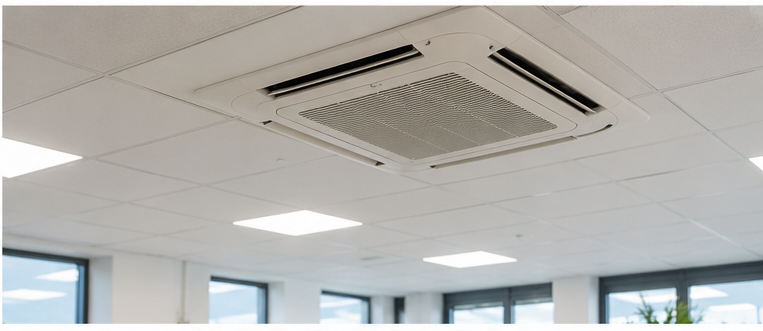
For example, two contractors might recommend similar equipment for a commercial air conditioning installation in an office.
One has included electrical upgrades and replacement pipework, while the other assumes the existing services can be reused.
The equipment may be comparable, but the prices cover different amounts of work.
Understanding that difference is essential before deciding which quotation offers better value.
Know Which Work Is Covered, What's Been Assumed and Which Extras Could Change Your Budget
Before approving a quotation, you should be able to identify what's being supplied, what work will be carried out and what happens if additional work is needed.
Depending on the project, a quotation may include:
- Survey and design: Assessing the building and selecting suitable equipment.
- Equipment and materials: HVAC units, controls, pipework and other components.
- Installation: Fitting the equipment and completing the necessary connections. For projects involving commercial ventilation and air handling, this may also involve ductwork and associated airflow components.
- Testing and commissioning: Checking that the system operates as intended.
- Handover: Providing relevant operating instructions, system information and maintenance guidance.
The exclusions deserve just as much attention.
If a contractor assumes existing pipework can be reused, ask whether they've inspected it and confirmed it's suitable.
If they haven't, find out what happens to the price if replacement becomes necessary.
The same applies to electrical upgrades, specialist access equipment, removal of old systems and making good areas affected by installation.
If you're seeking budget approval, you should know which costs are confirmed and which could change.
That makes it easier to explain the proposed expenditure and account for potential additional work.
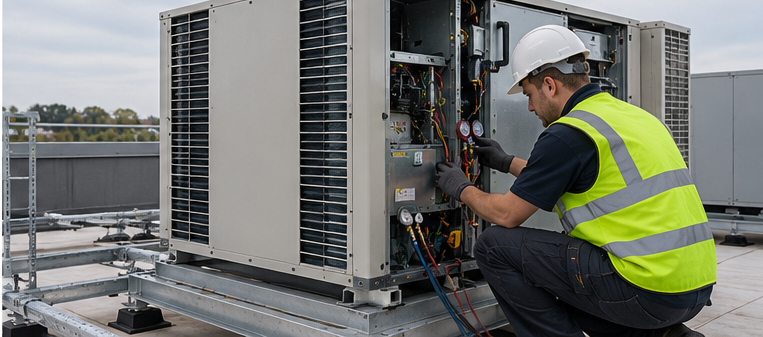
Choose a Proposal That Meets Your Building's Needs and Gives You a Cost You Can Explain and Justify
The lowest quotation may be the right choice, provided it covers the work your building needs.
Equally, a higher price should come with a clear explanation of what's different.
Before recommending a contractor, ask:
- Why has this system been recommended? The contractor should be able to explain how the equipment suits the building's heating, cooling or ventilation requirements.
- What has been checked on site? Establish whether existing services and access arrangements have been assessed or whether the quotation relies on assumptions.
- Are both contractors quoting for the same work? Compare equipment, connections, controls, commissioning and any associated building work.
- What could increase the price? Ask which items are excluded and how unexpected work would be assessed, priced and approved.
- How will the installation affect the building? If normal operations must continue, confirm whether phased work or out-of-hours installation is included.
It's also worth asking about expected energy use and servicing requirements.
Where air conditioning is involved, understanding the ongoing servicing and maintenance requirements can help you assess costs beyond the initial installation.
The aim is to choose a suitable proposal with a price you can understand, explain and justify.
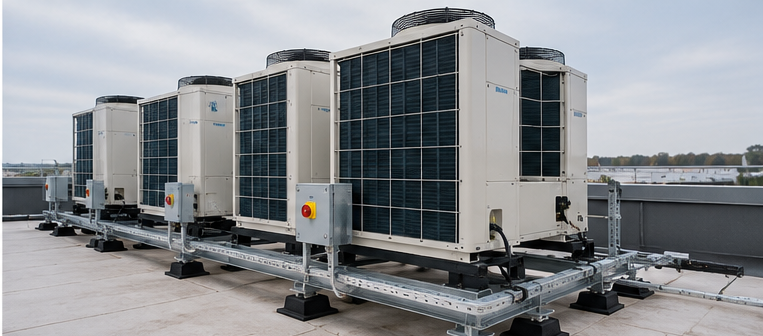
Establish What the Installation Involves by Assessing Existing Equipment, Site Access and Building Operations
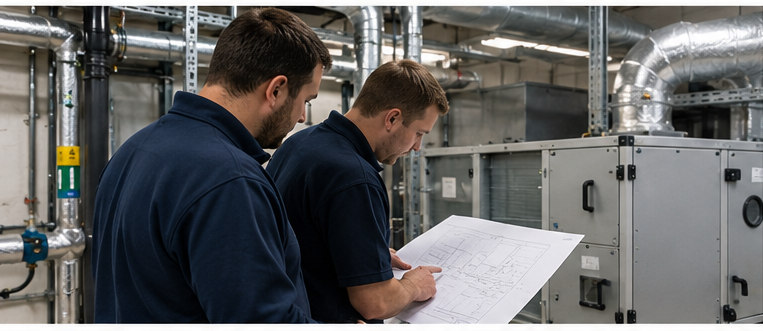
A site survey helps the contractor establish what the installation involves before preparing a detailed quotation.
An engineer can assess existing equipment, available plant space, access arrangements and whether the building has suitable services for the proposed system.
It's also an opportunity to discuss practical restrictions.
For example, a school may need certain areas kept accessible, while an office may need the noisiest installation work scheduled outside normal working hours.
These details can influence how the work is planned and priced.
Although a survey can't guarantee that every issue will be identified in advance, it helps the contractor check important aspects of the building rather than relying on assumptions.
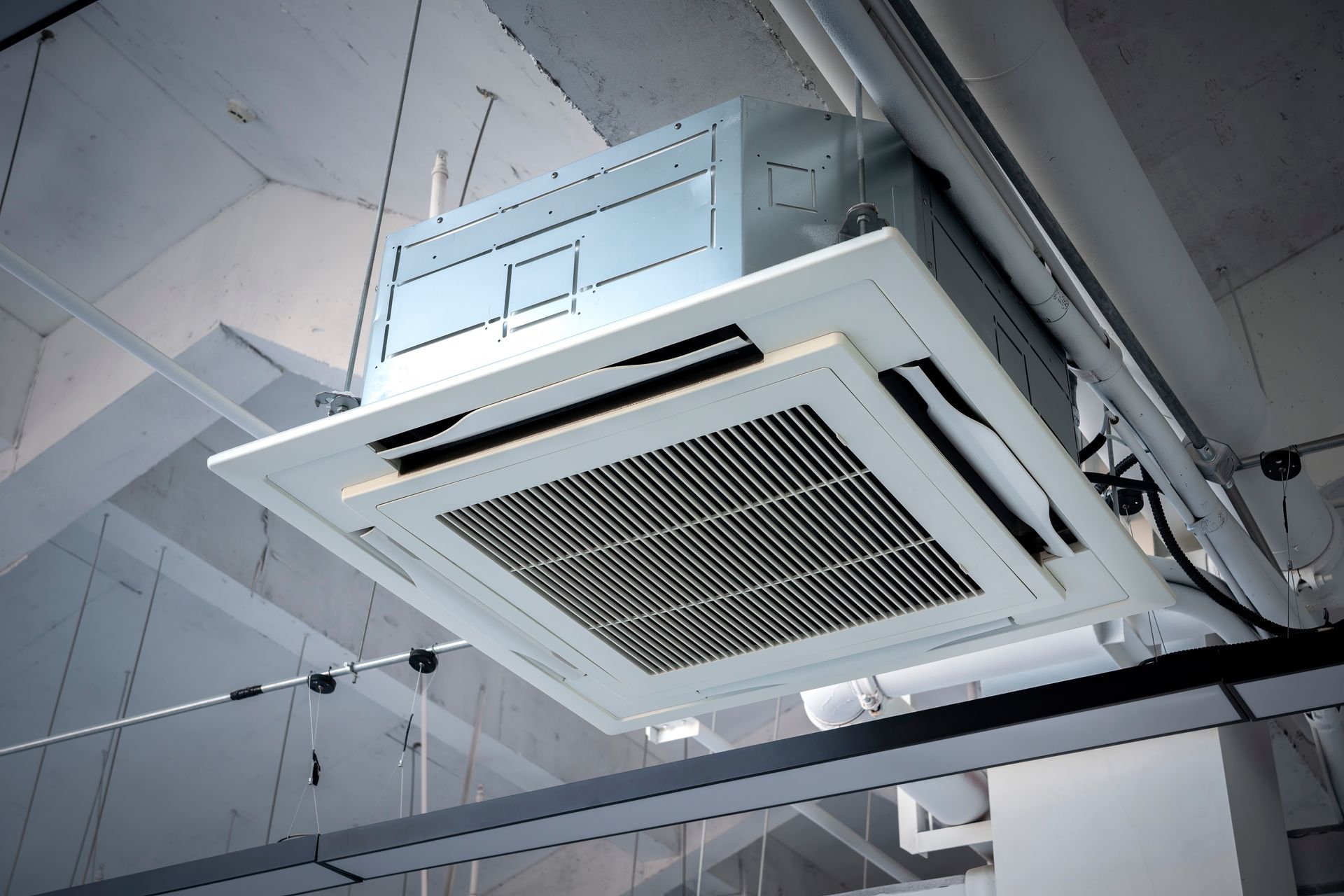
Plan Your Installation With a Team Bringing 25+ Years of Experience Across 2,100+ Projects
With 25+ years of experience across 2,100+ projects, Bon Air understands how existing equipment, building layouts and access arrangements can affect commercial HVAC installations.
Our Worcester-based team supports businesses from the initial assessment through to installation, commissioning and ongoing maintenance.
- Building-specific recommendations: We assess the premises and existing systems before recommending suitable equipment and the work required.
- Qualified commercial engineers: Our team installs and commissions commercial heating, cooling and ventilation systems, taking the building's operational requirements into account.
- Support beyond installation: We provide ongoing servicing and maintenance, so businesses can plan for the system's continued operation after handover.
Bon Air works with commercial and industrial premises across Worcester, Worcestershire, Birmingham, Gloucestershire, Herefordshire, Warwickshire and the wider Midlands.
COMMERCIAL HVAC INSTALLATIONS
Planning a commercial air conditioning installation or upgrade? Bon Air provides installation services for businesses across Worcester, Worcestershire and the wider Midlands. Explore the locations below to find out more about our services in your area.
HVAC Installations Brierley Hill
HVAC Installations Burton-on-Trent
HVAC Installations Cirencester
HVAC Installations Droitwich Spa
HVAC Installations Evesham Vale Business Park
HVAC Installations Farnborough
HVAC Installations Great Malvern
HVAC Installations Hemel Hempstead
HVAC Installations High Wycombe
HVAC Installations Kidderminster
HVAC Installations Kingswinford
HVAC Installations Leamington Spa
HVAC Installations Market Harborough
HVAC Installations Milton Keynes
HVAC Installations Northampton
HVAC Installations Ross-on-Wye
HVAC Installations Royal Leamington Spa
HVAC Installations Southampton
HVAC Installations Stoke-on-Trent
HVAC Installations Stourbridge
HVAC Installations Stourport-on-Severn
HVAC Installations Stratford-upon-Avon
HVAC Installations Sutton Coldfield
HVAC Installations Upton-upon-Severn
Answers on Installation Times, Planning Permission, Site Surveys, Landlord Approval and Warranty Cover
How Long Does a Commercial HVAC Installation Take?
Installation times depend on the equipment, the size of the project and any additional work required.
Replacing one air conditioning unit will usually take less time than installing a heating, cooling or ventilation system across several floors.
Equipment availability and access arrangements can also affect the schedule.
Ask your contractor for a proposed timetable that includes installation, testing and commissioning.
Do I Need Planning Permission to Install Commercial Air Conditioning?
You may need planning permission, particularly if external units will be installed or the building has special restrictions, such as listed status.
Some installations may be permitted development, subject to conditions.
Requirements vary by property and location, so check with your local planning authority before committing to the work.
What Do I Need to Get a Commercial HVAC Installation Quote?
You don't need to know exactly which system you want before contacting a contractor.
It helps to have the building's location, approximate size, how the space is used and details of any existing equipment.
Floor plans or photographs can also be helpful, but a site survey allows Bon Air to assess the building and discuss what's needed.
What Happens After a Commercial HVAC Site Survey?
After the survey, the contractor reviews the findings and develops a suitable installation proposal.
This may involve further design work or checks before a detailed quotation can be prepared.
You can then review the recommended equipment, proposed work and any outstanding questions before deciding whether to proceed.
Can We Install a New HVAC System in Stages?
Some installations can be completed in stages, particularly when different floors or areas need to remain operational.
However, the system needs to be designed to accommodate the proposed sequence, and splitting the work can affect costs and timescales.
Discuss this early so the contractor can assess whether phased installation is practical for your building.
What Warranty Comes With a Commercial HVAC Installation?
Warranty terms vary between manufacturers and installation agreements.
Equipment and workmanship may have different cover, so check what's included, how long it lasts and whether servicing is required to maintain the warranty.
Ask for the relevant terms in writing before approving the quotation, including any exclusions or registration requirements.
Discuss Your Building's Requirements and the Work Involved Before Requesting a Tailored Installation Quote
If you're preparing an installation budget or comparing contractors, you need to know what the proposed work involves before you can make a decision.
Bon Air offers a free, no-obligation site survey to assess your building and discuss suitable installation options.
During the survey, you can:
- Discuss the heating, cooling or ventilation requirements of your premises.
- Review existing equipment and any services that may need upgrading.
- Identify access restrictions or operational requirements that could affect the installation.
- Establish the work that needs to be accounted for in your quotation.
Book your free site survey with Bon Air and take the next step towards an installation quote that reflects your building's needs.
KEEP YOUR BUILDING RUNNING WITH RELIABLE HVAC SOLUTIONS
From new installations and system upgrades to servicing and ongoing maintenance, our qualified engineers deliver commercial HVAC solutions tailored to your building and operational needs.
Recent Posts